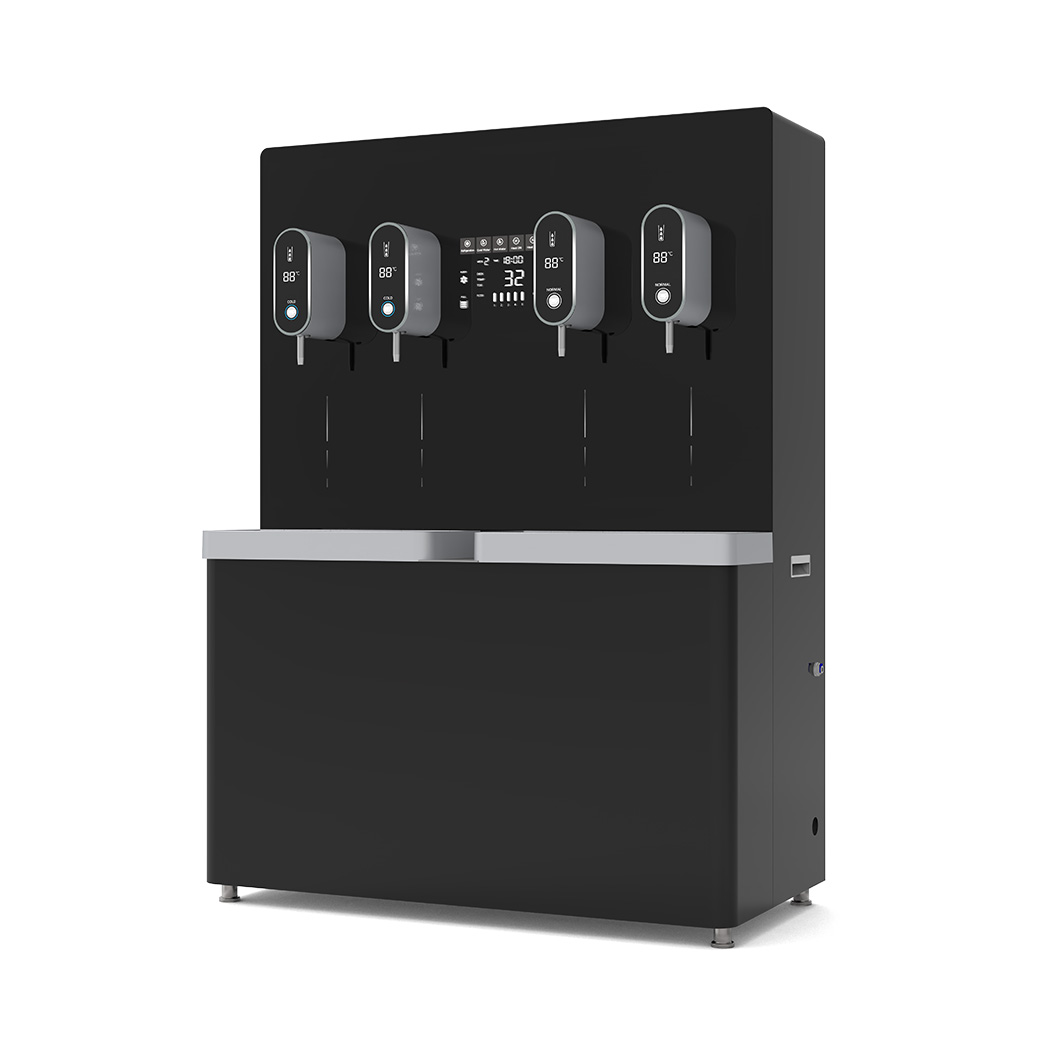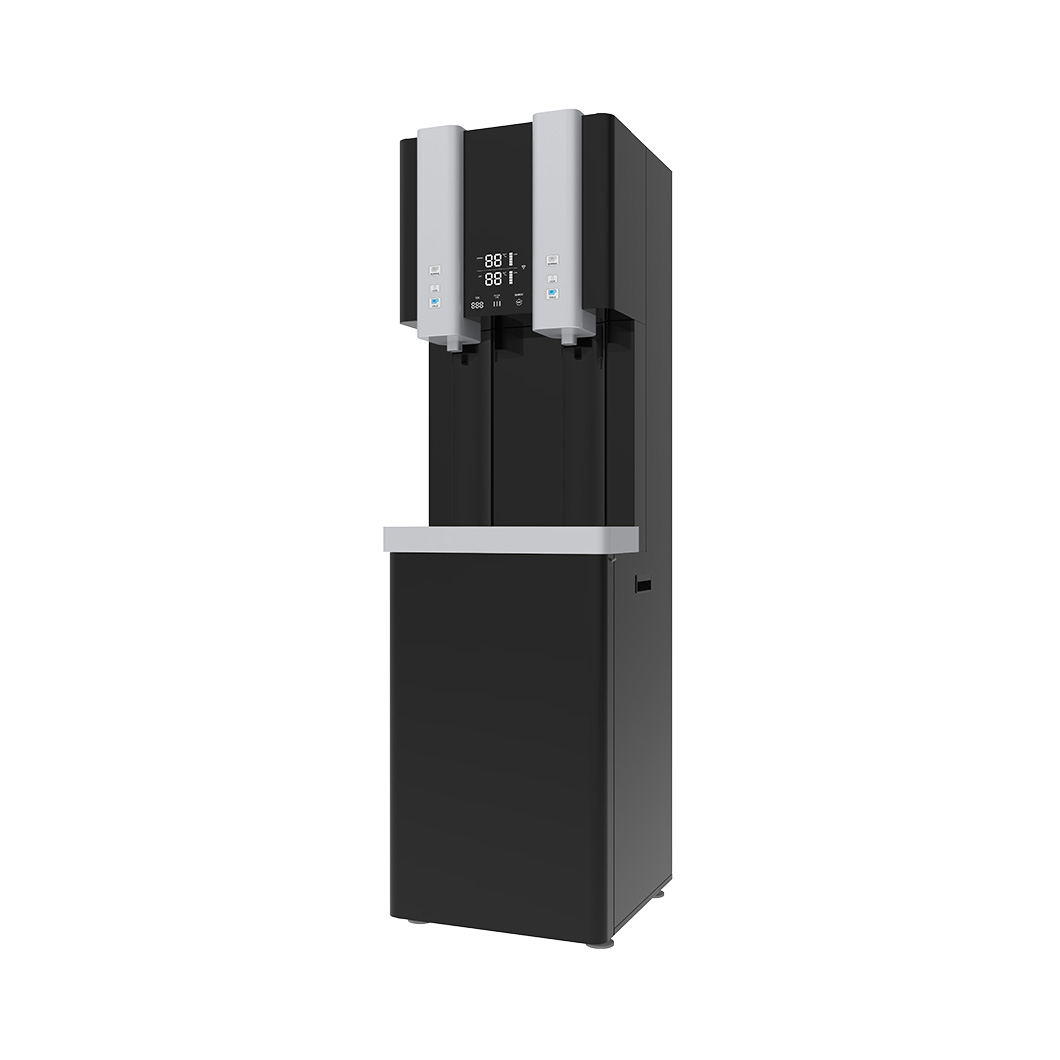
Product Description
Technical Specifications & Models
| Inlet and outlet | three eighth inch | Voltage (V)/Power | 100-240V 50Hz-60Hz/3KW |
|---|---|---|---|
| Applicable water temperature | 41-100˚F/5˚c-38˚c | RO water flow | 1.5L/min |
| Hot/Normal water flow | 3.0L/min | Inlet pressure | 0.1MPa-0.35MPa |
| Operating Pressure | 0.6MPa-0.8MPa | Rated water capacity | 4000L |
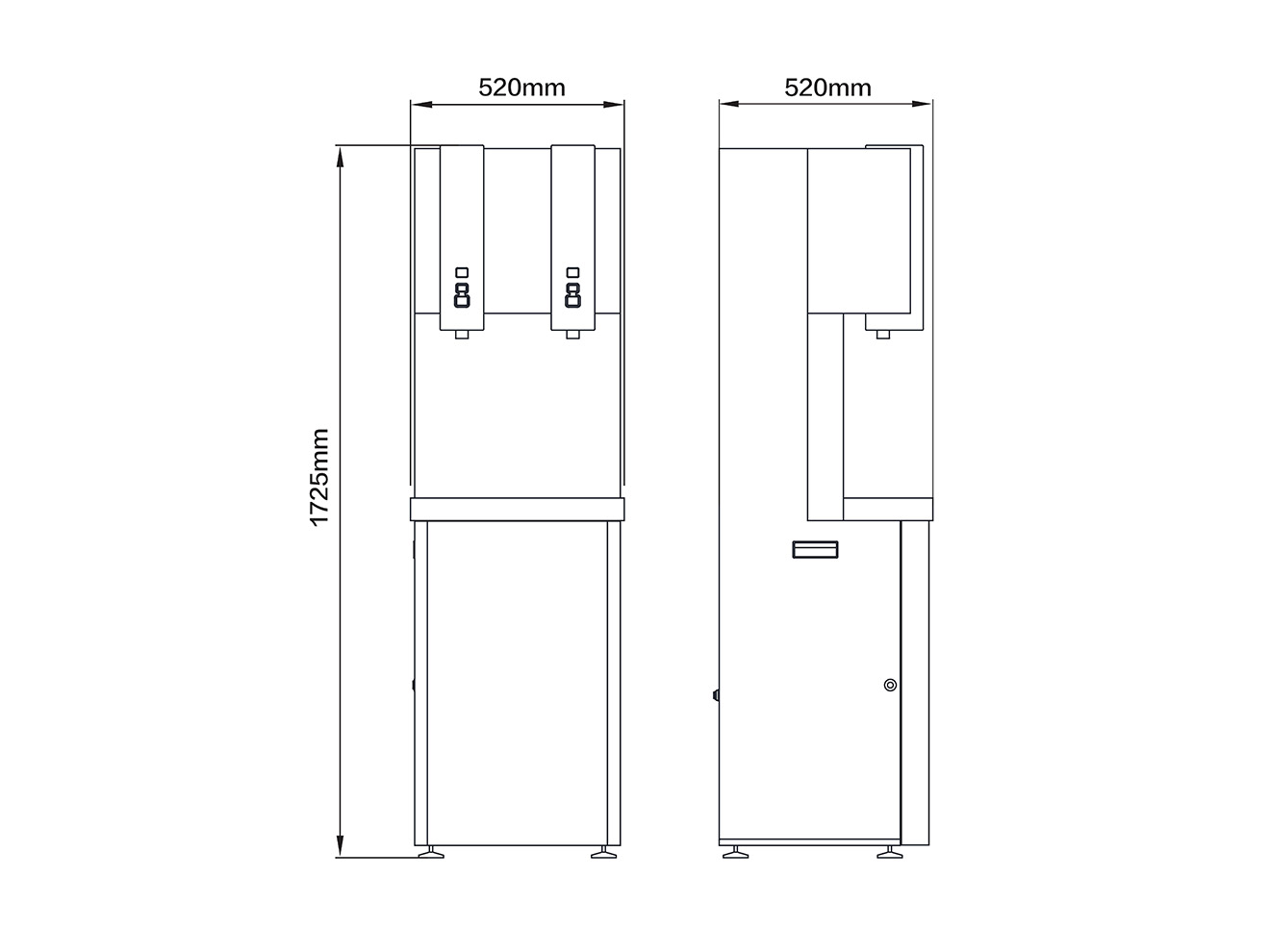
| Product dimension/mm (L*W*H) | 520×520×1725(mm) | Packing dimension/mm (L*W*H) | 570×590×1730 |
| Hot water tank | 42L | Pure water tank | 11G |
| Water Dispenser | Normal Temp. water and hot water | Applicable water source | Municipal Tap water |
Why choose 600G Commercial RO Water Dispenser
Hot and cold water output
Intelligent display
Self-cleaning
High water intake
Convenient filter element replacement
UVC-LED sterilization
Ideal For Your Industry
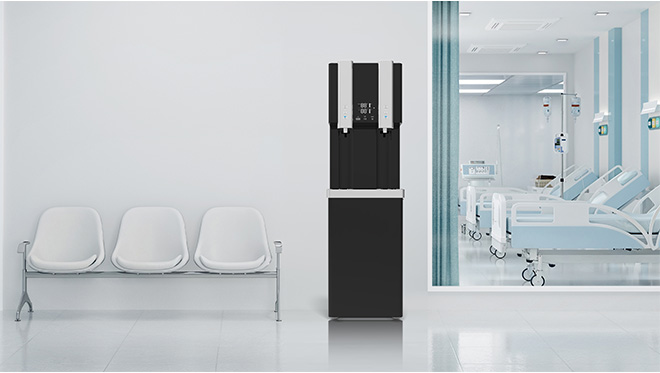
Hospital
Frequently Asked Questions
It needs to be installed on a stable and dry ground. At least 50cm of space should be reserved around it for heat dissipation, maintenance, and operation by personnel. A stable power socket is required, and the circuit should be well grounded. At the same time, it should be close to the municipal water supply pipeline and drainage pipeline. The inlet water pressure should be maintained at 0.1 – 0.4MPa. If the water pressure is insufficient or too high, a booster pump or pressure reducing valve needs to be installed.
After connecting the water source and power supply, open the inlet water valve and observe whether there is any water leakage in the machine. Then turn on the machine and let it automatically flush the filter element for 15 – 20 minutes to discharge the protective liquid and impurities in the filter element. After the flushing is completed, check the quality of the outlet water. You can use a water quality testing pen to measure the TDS value. If the value is below 50ppm and the outlet water has no peculiar smell and no foam, it means that the debugging is normal and the water purifier can be put into use.
Although the vertical direct drinking machine is designed to meet the needs of a large number of people, continuous high-load operation for a long time will increase the wear and tear of the machine. It is recommended to let the machine stop running for 15 – 30 minutes every 4 – 6 hours to facilitate heat dissipation and the recovery of internal components and extend the service life of the machine.
Get in Touch
Our expertise is here to serve you
Personalized Customization
Rapid & Detailed Response
Transparent Pricing
Globally Certified Quality
Talk to Our Expert
Recommended Products
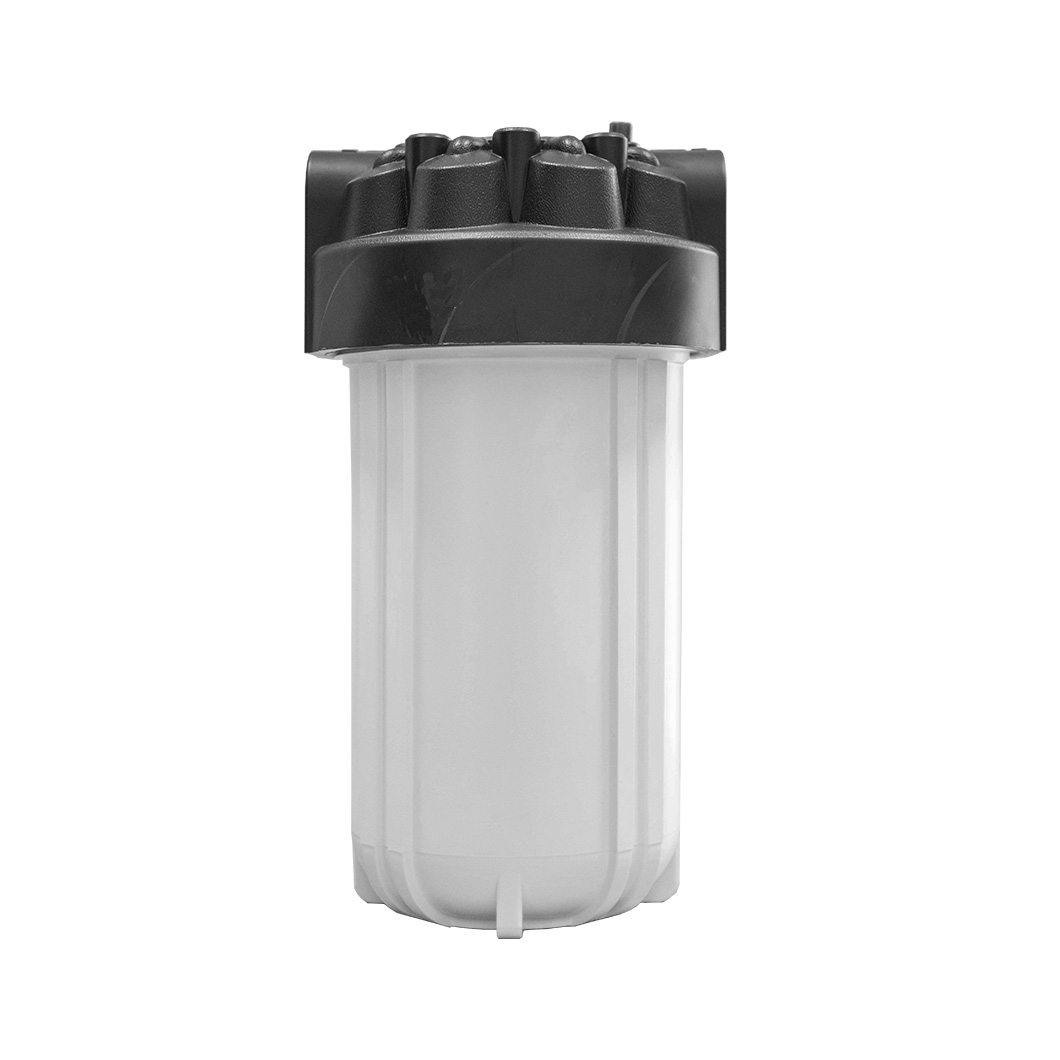
10-inch Household Front-mounted Filter
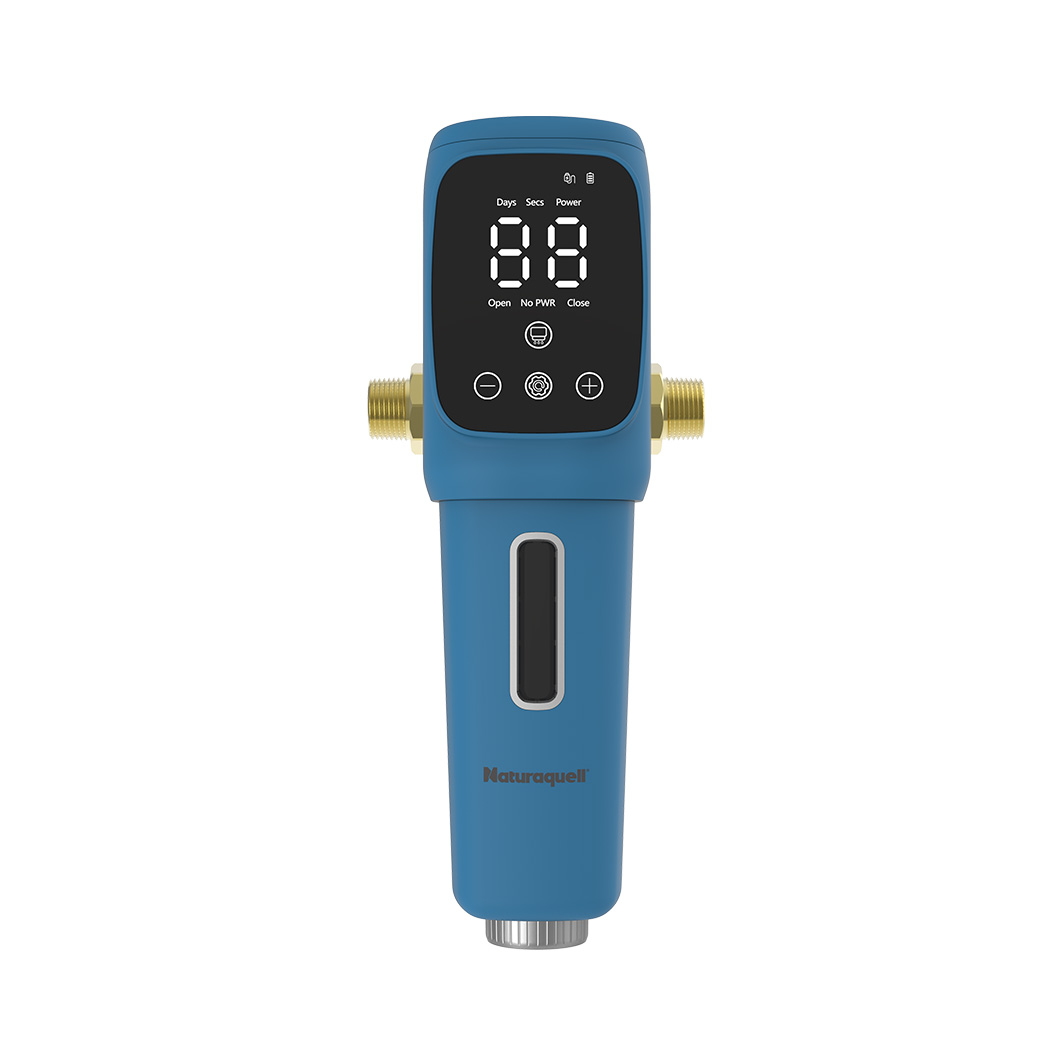
Automatic Backwash Filter
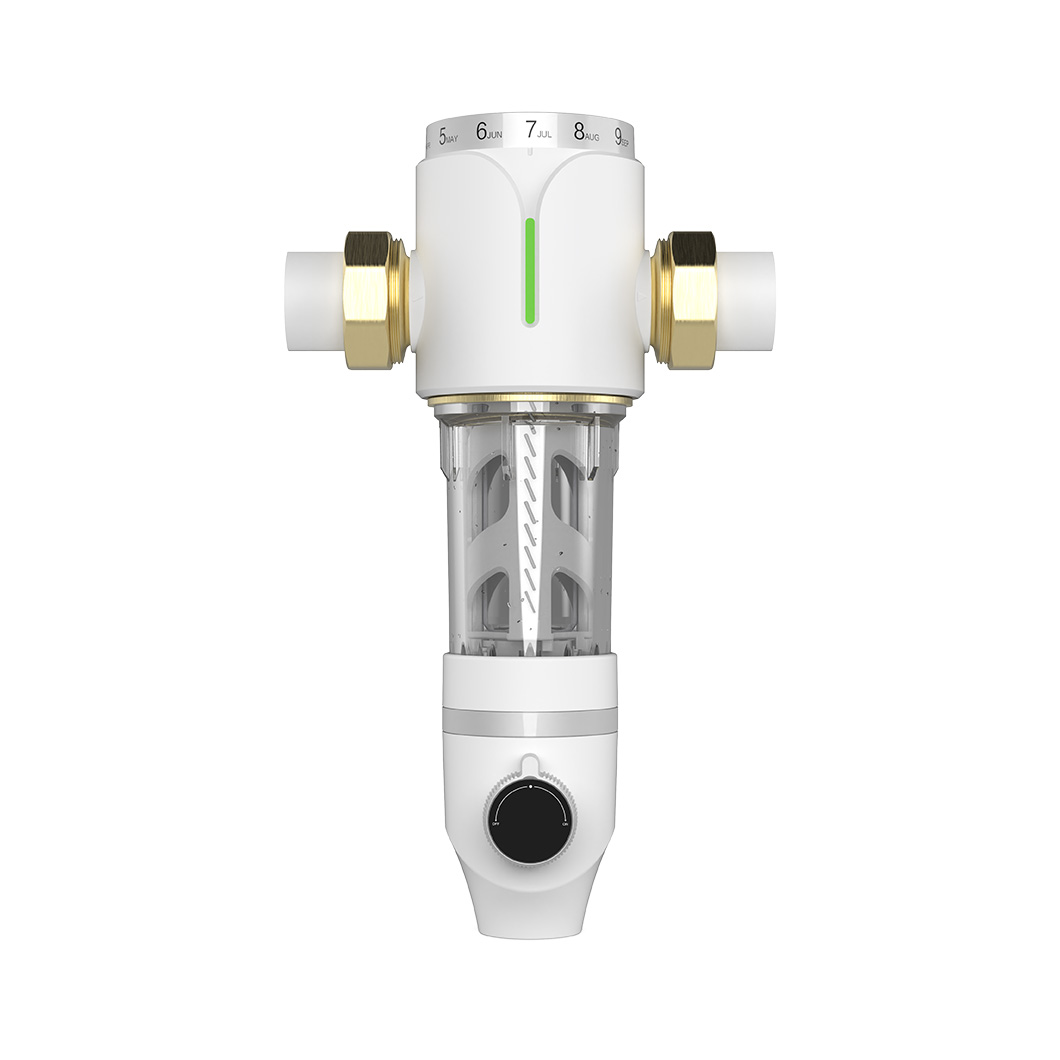
Pre-filter(Manual)
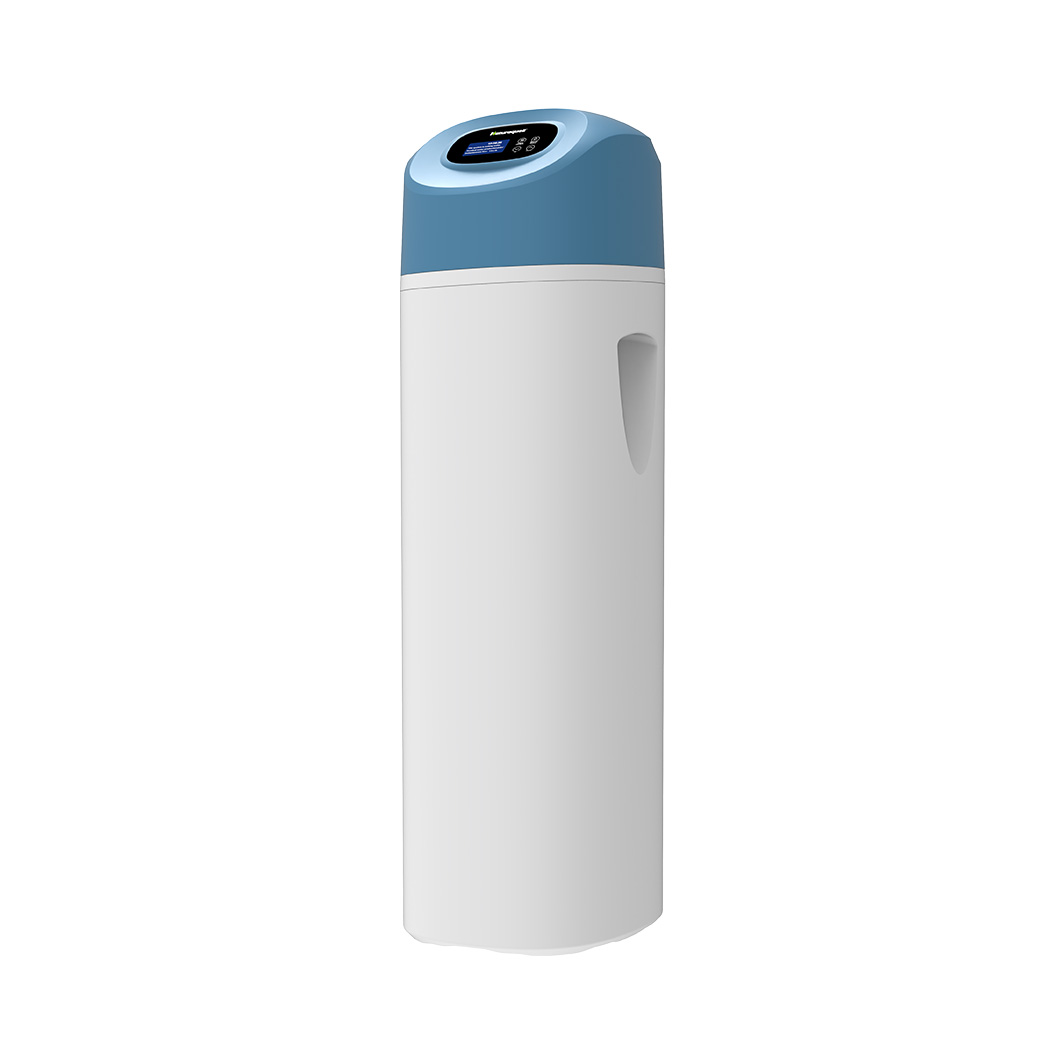
Water Conditioner
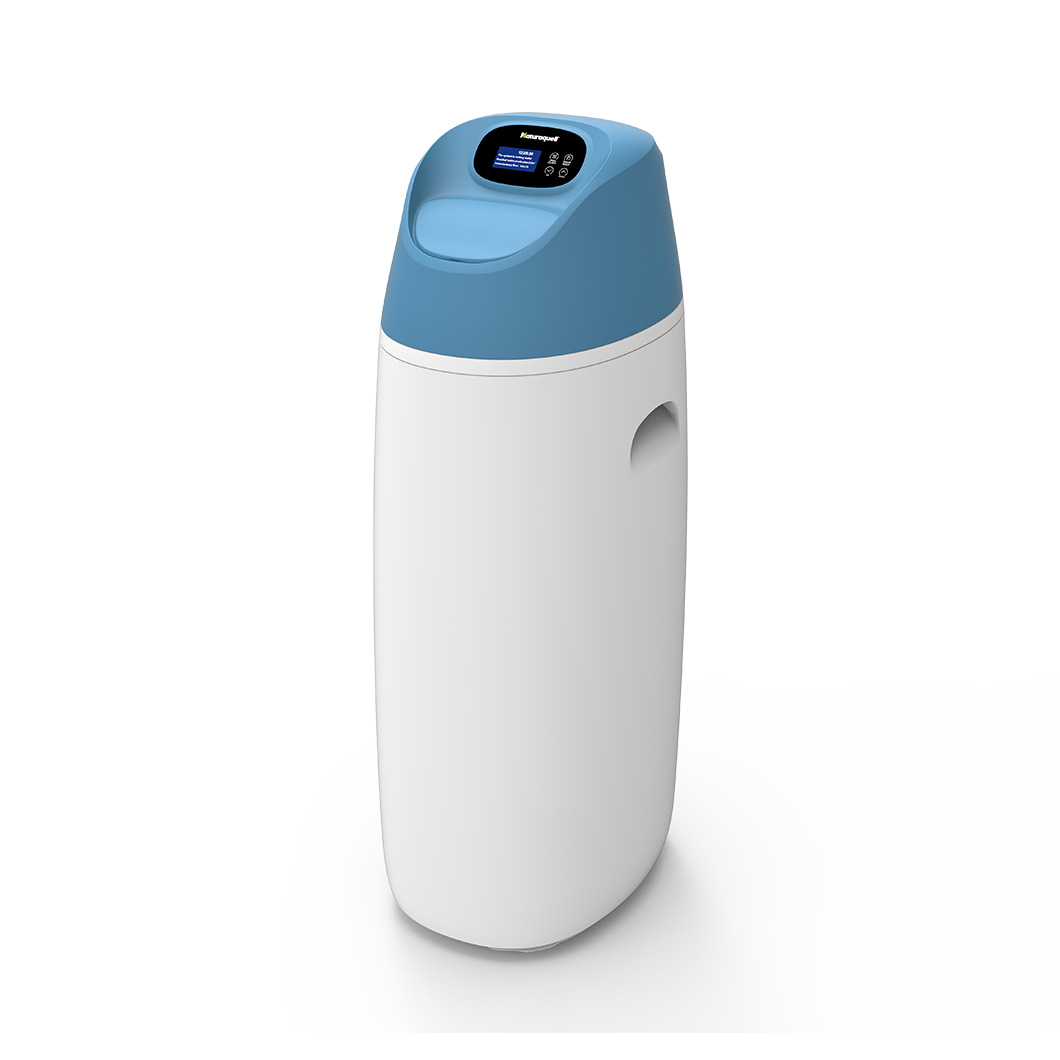
Water Softener
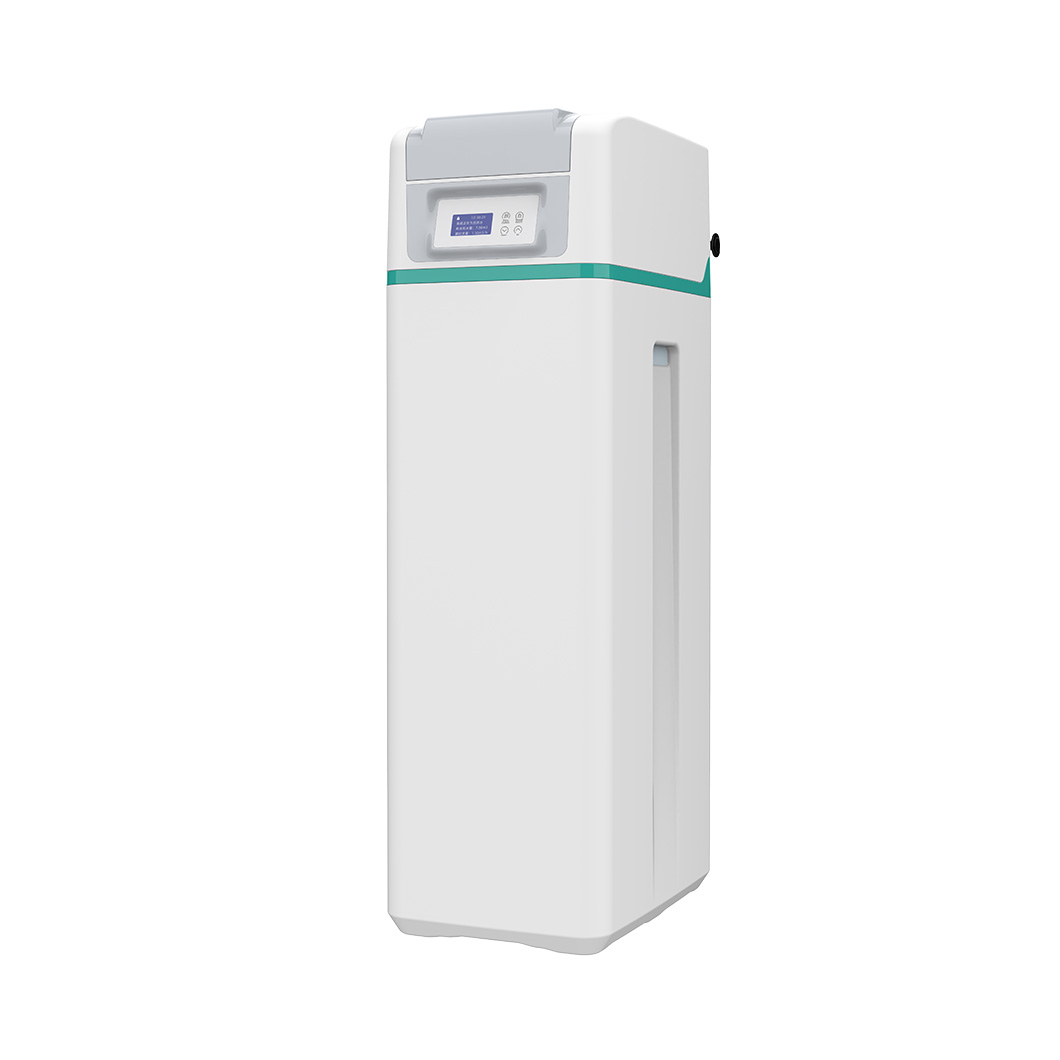
Water Softener
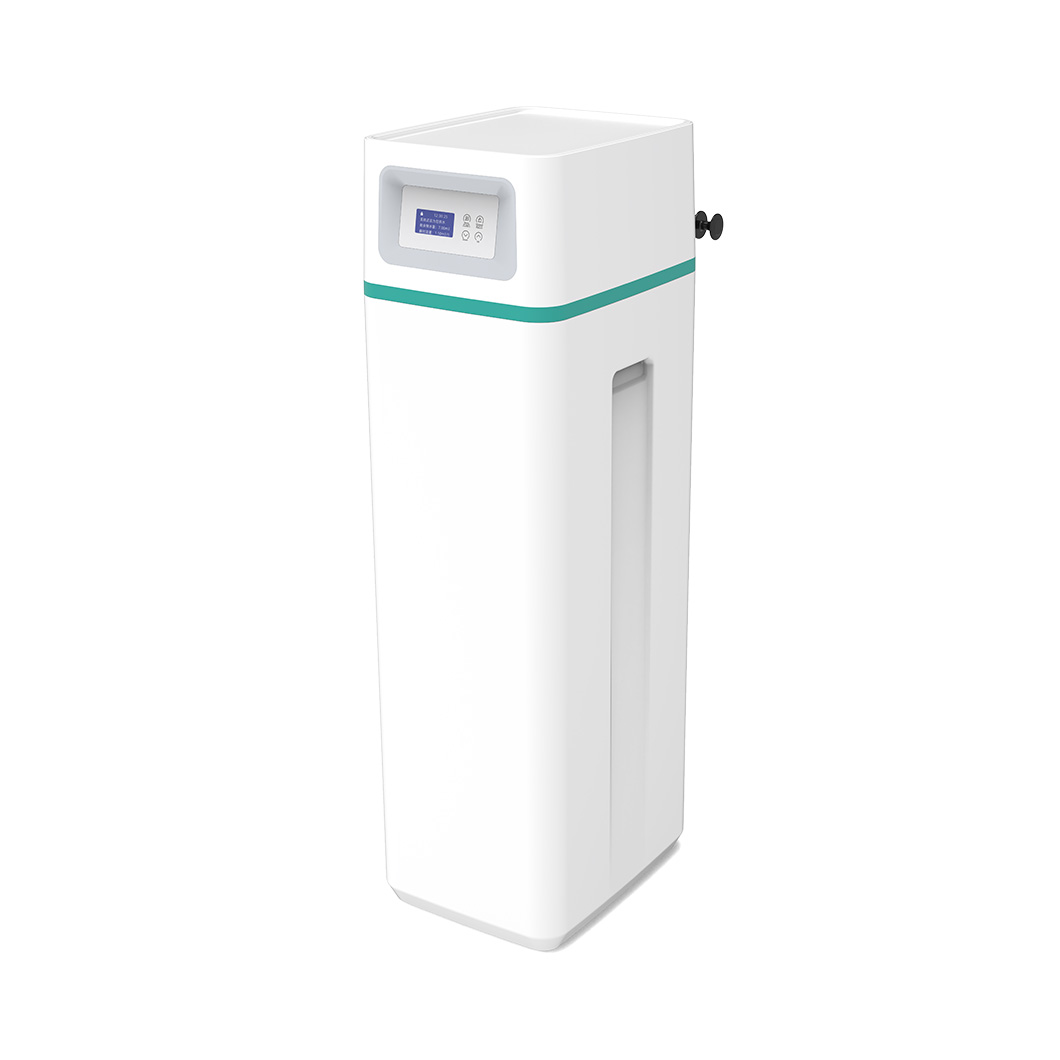
Water Conditioner
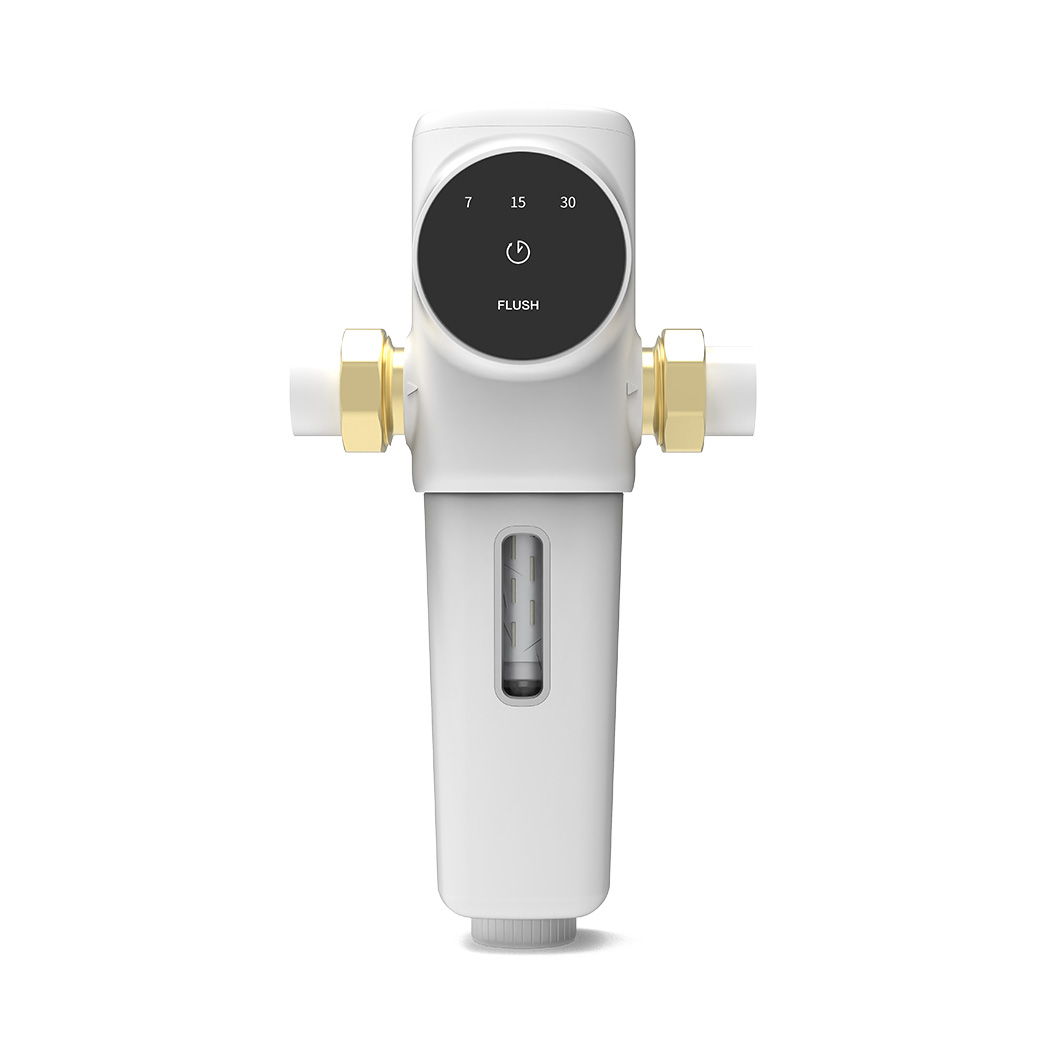
Pre-filter(Automatic)
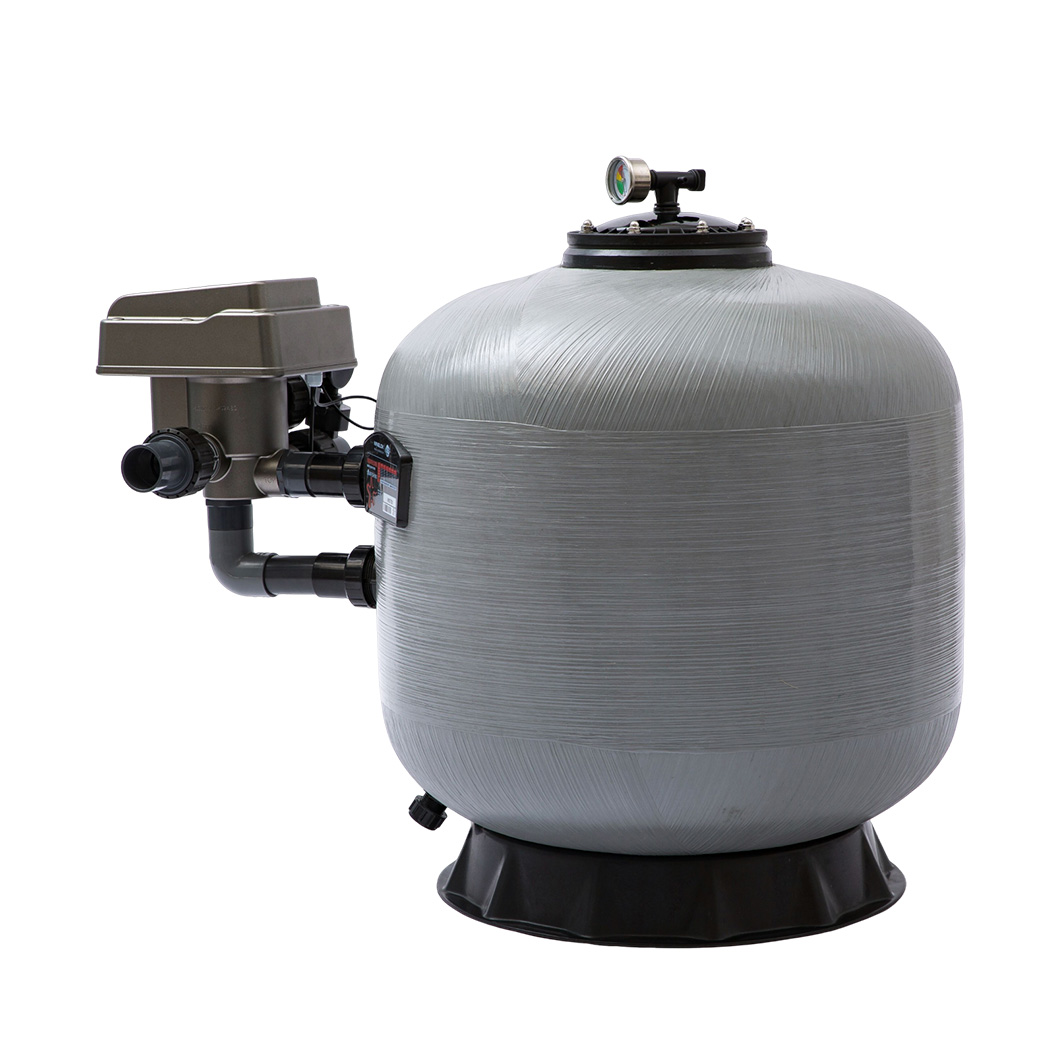
Swimming Pool Sand Filter System