Whole-house Water Purification
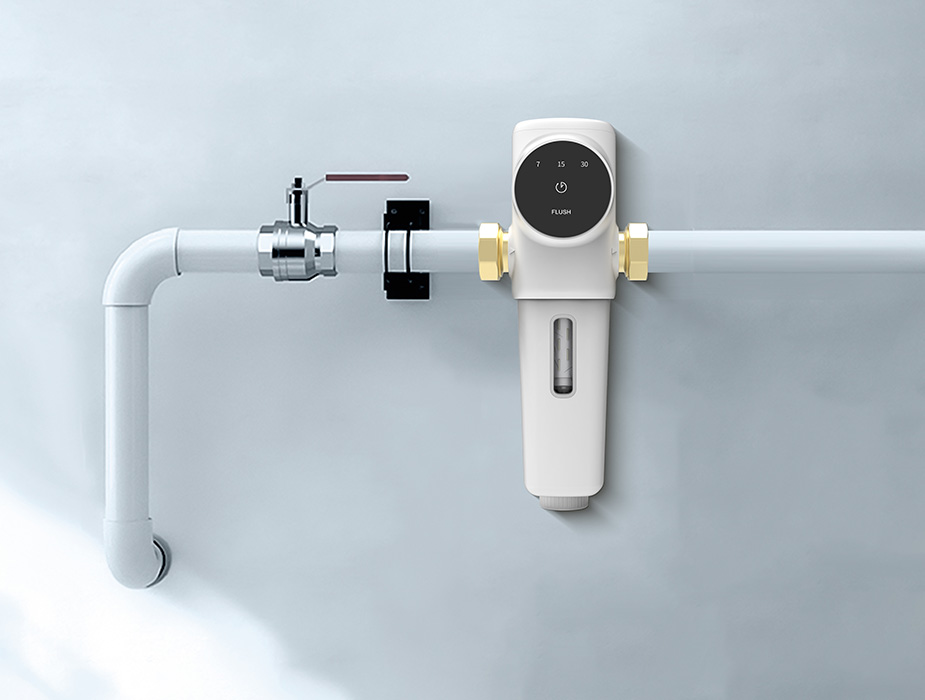
One-Stop Solution for All Types of Whole-house Water Purification
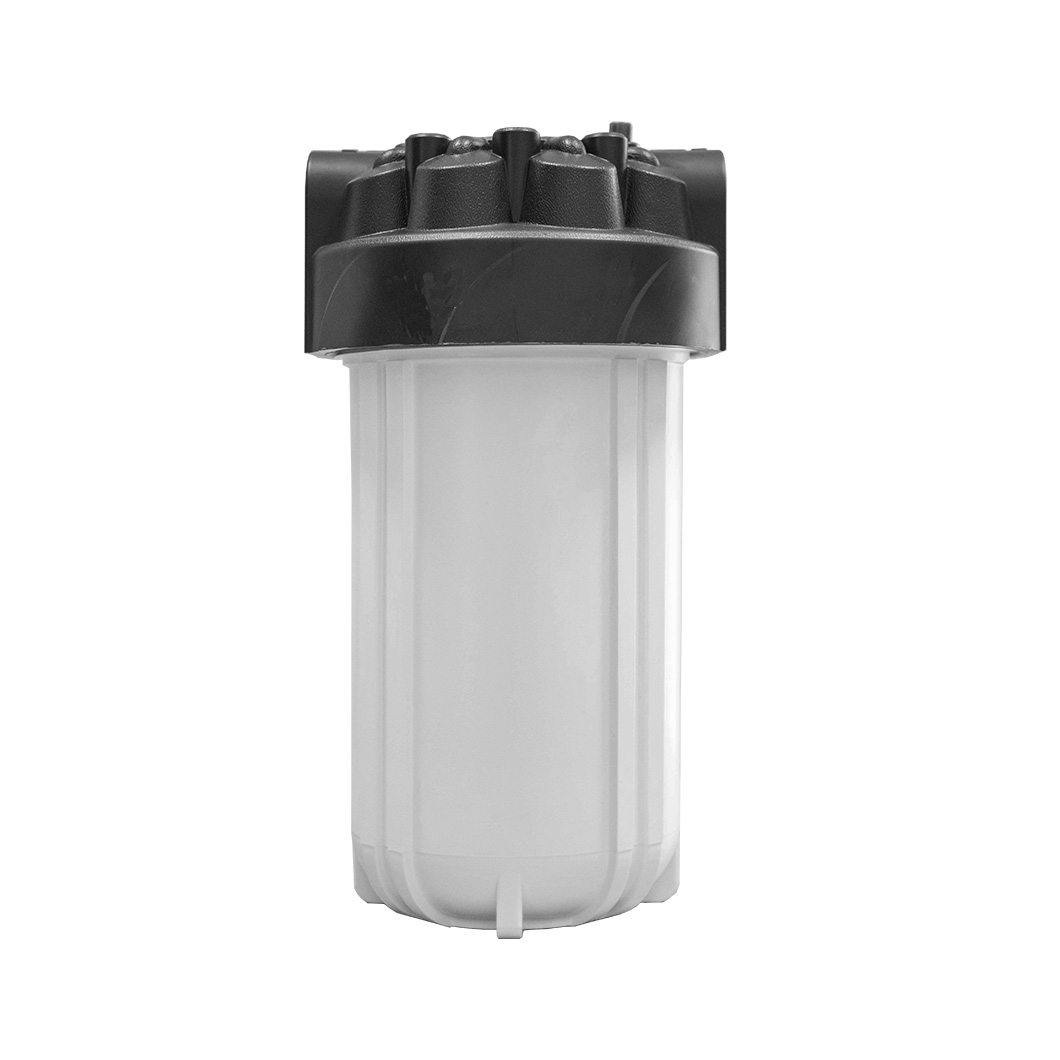
10-inch Household Front-mounted Filter
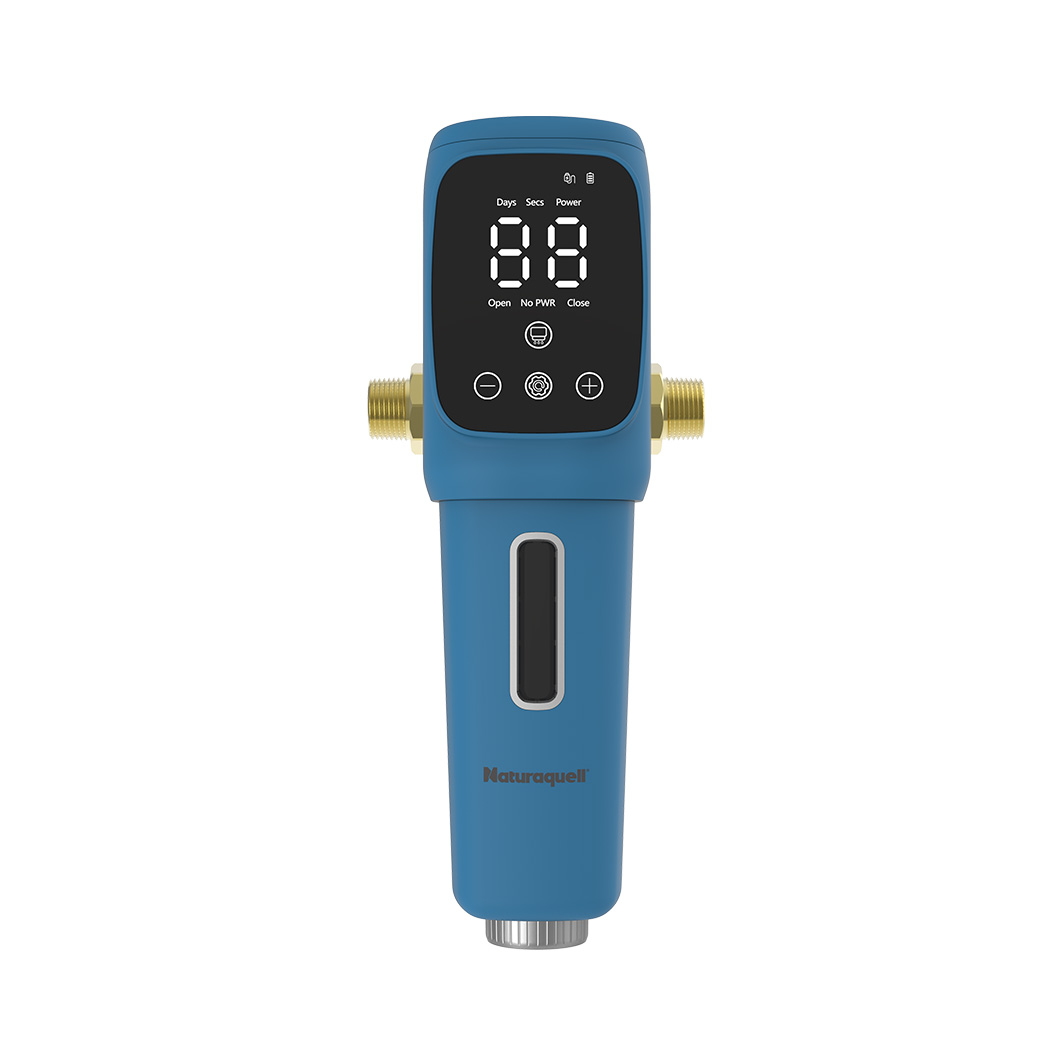
Automatic Backwash Filter
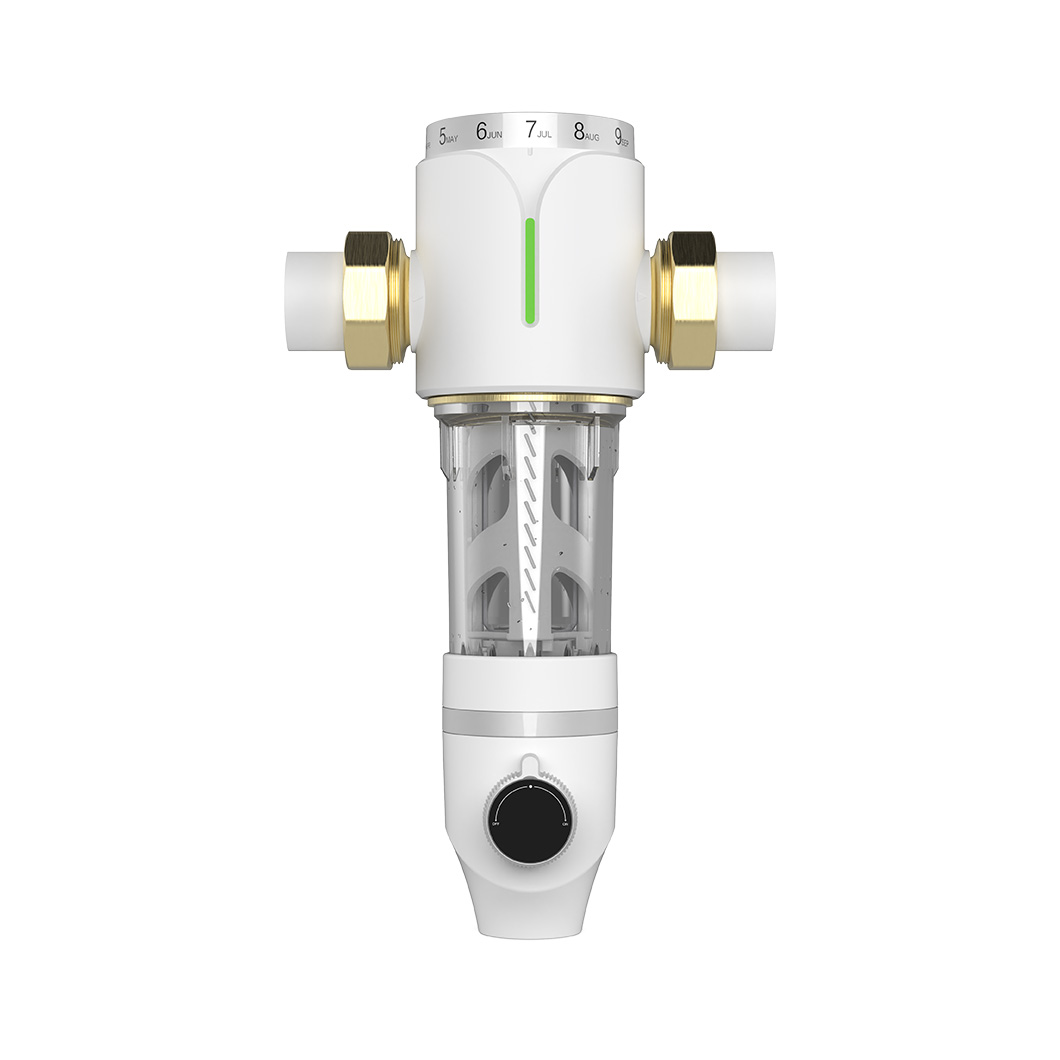
Pre-filter(Manual)
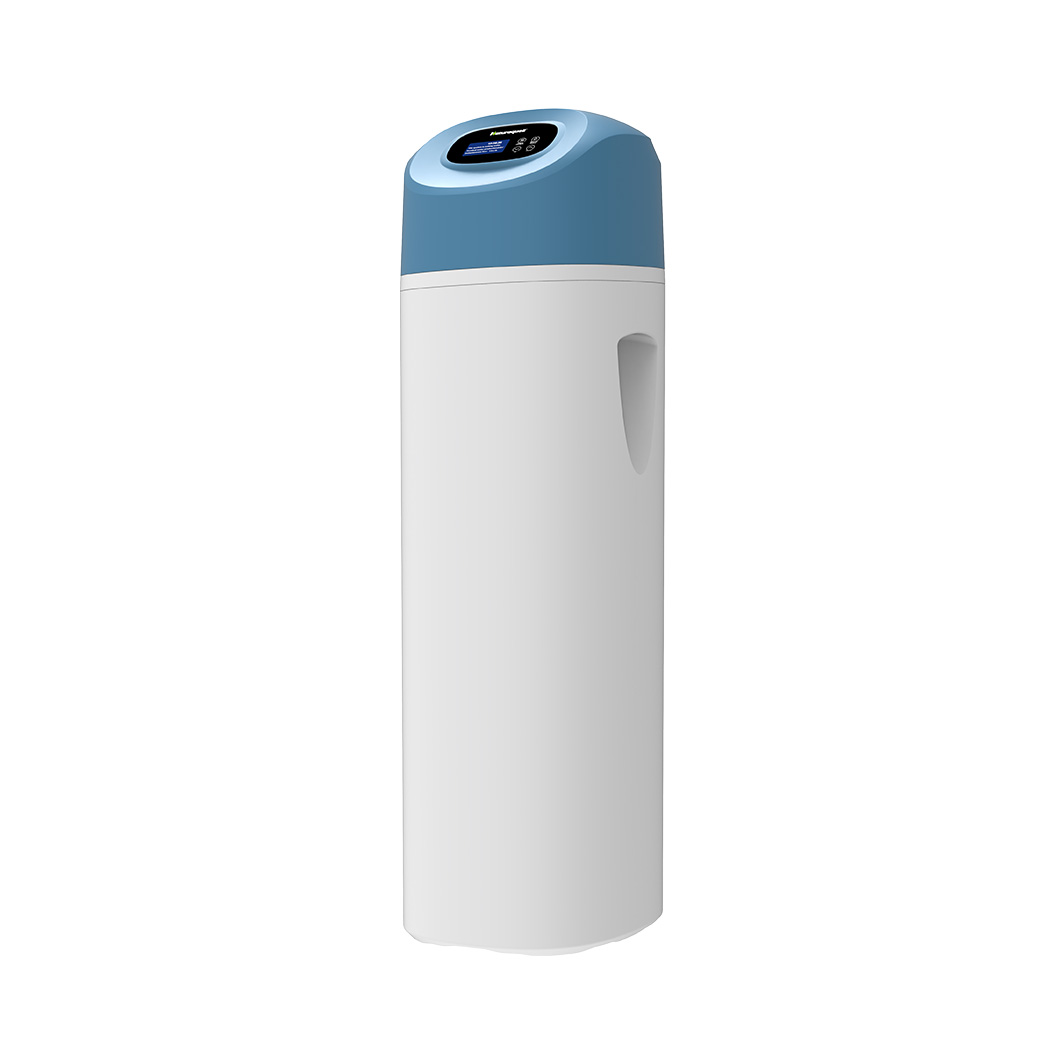
Water Conditioner
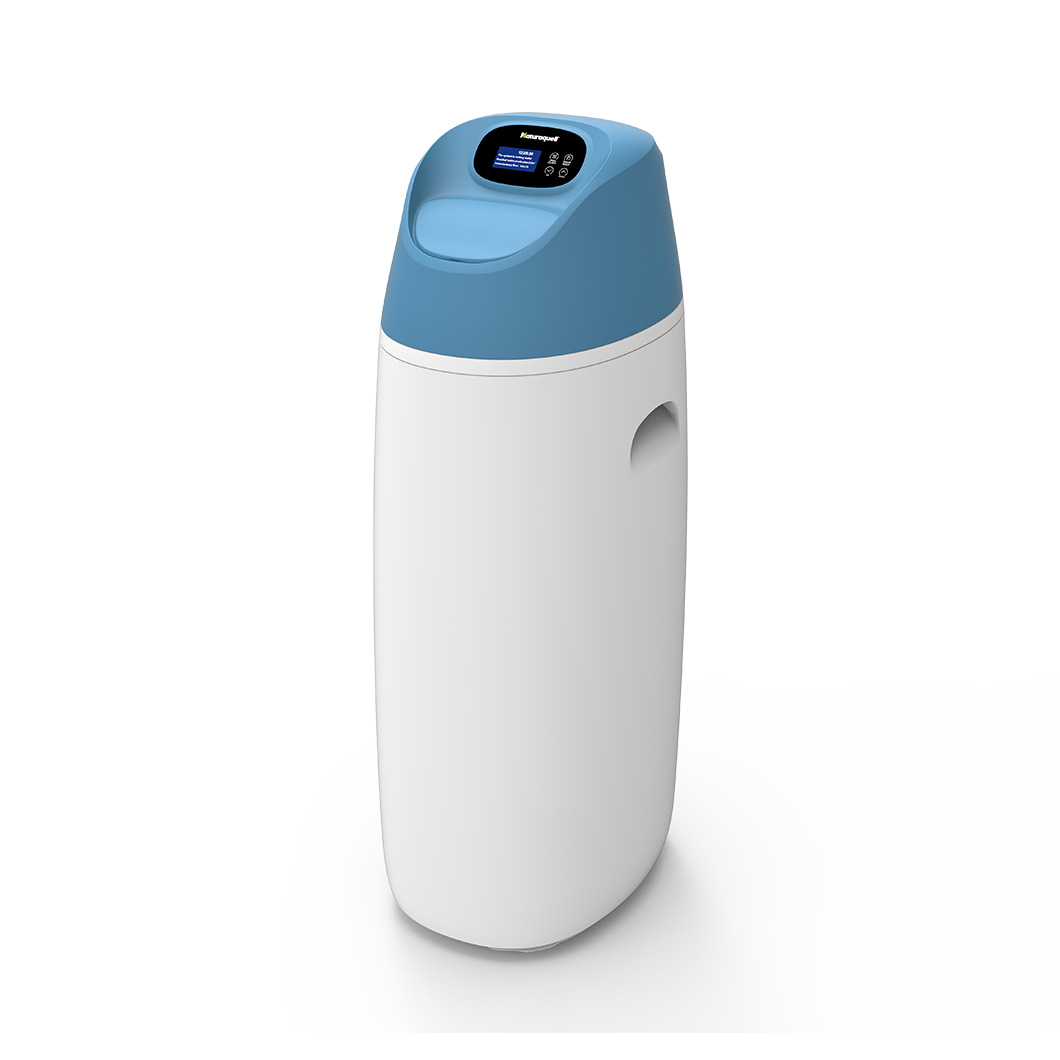
Water Softener
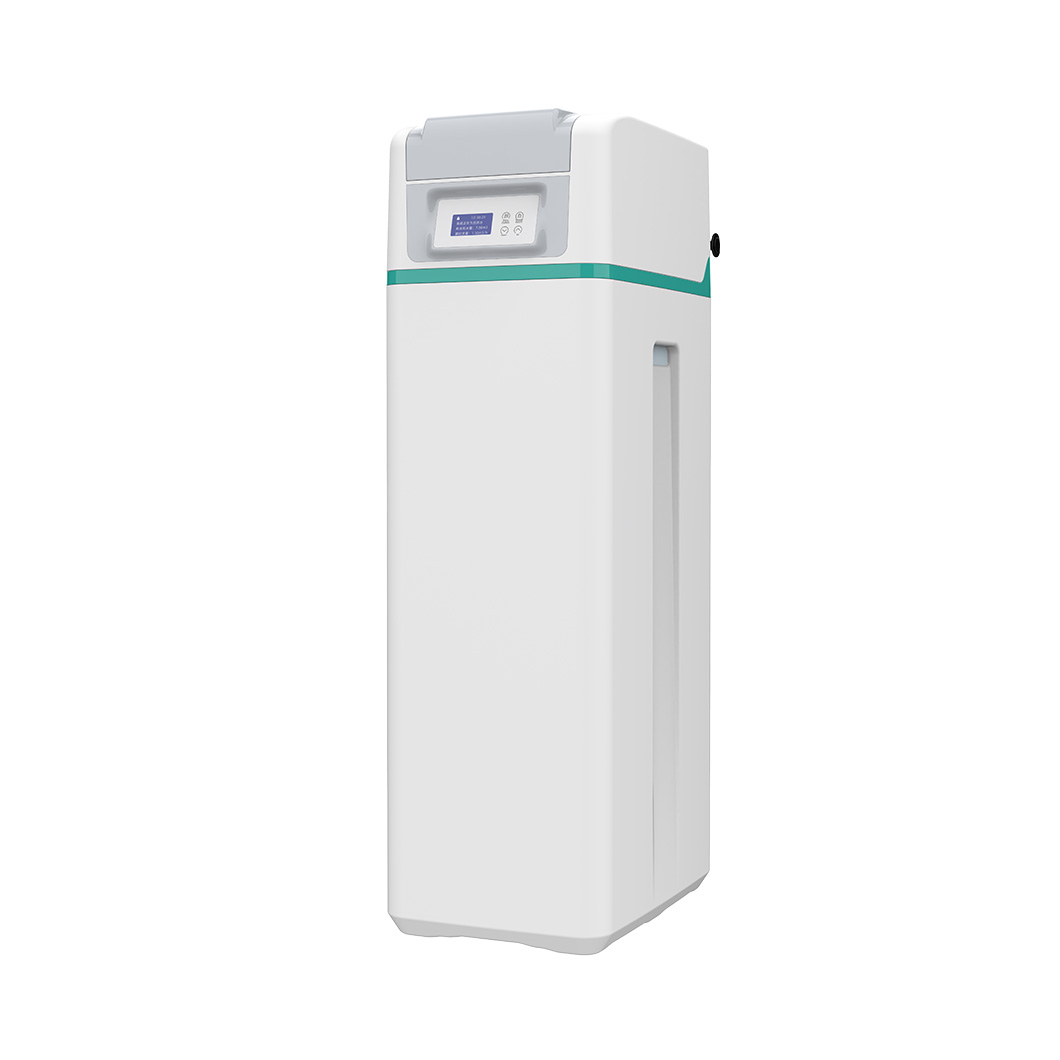
Water Softener
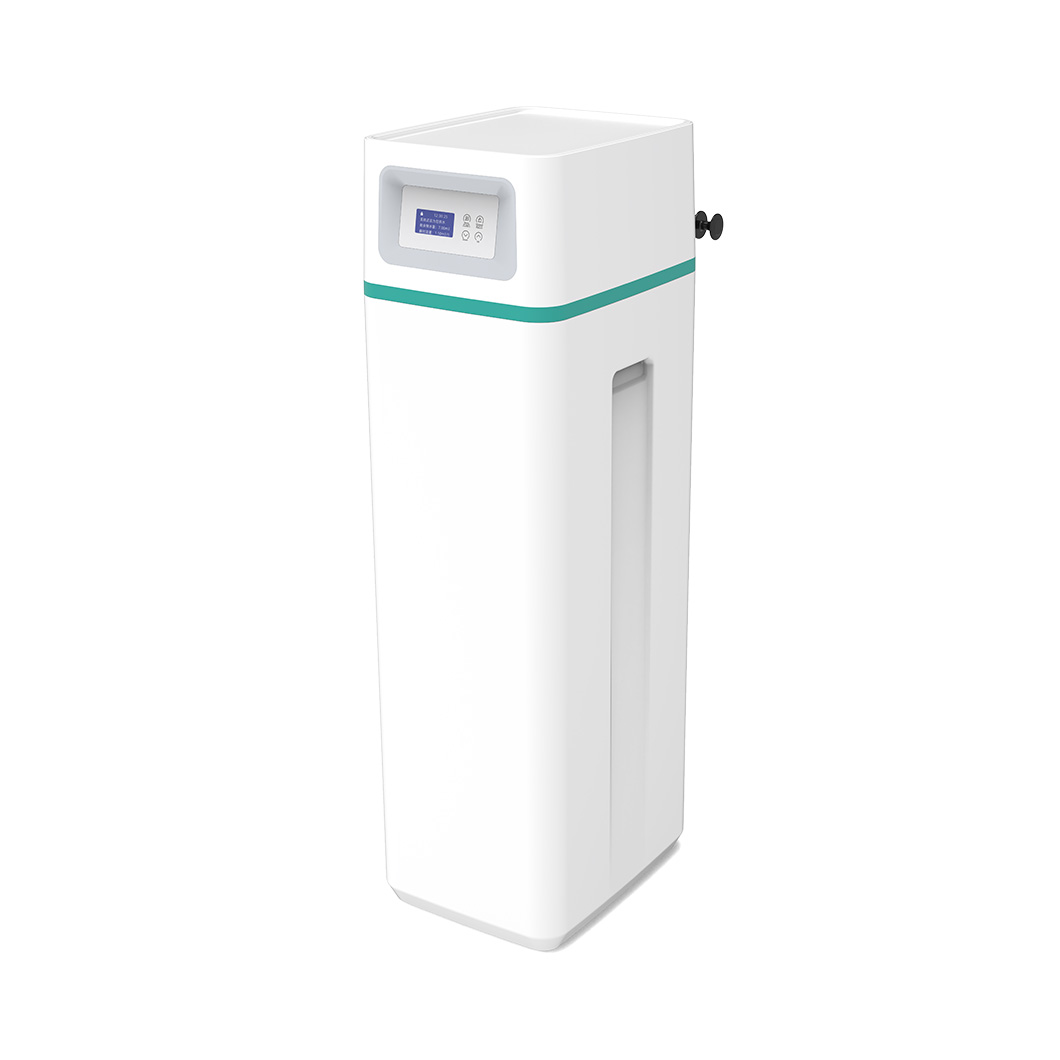
Water Conditioner
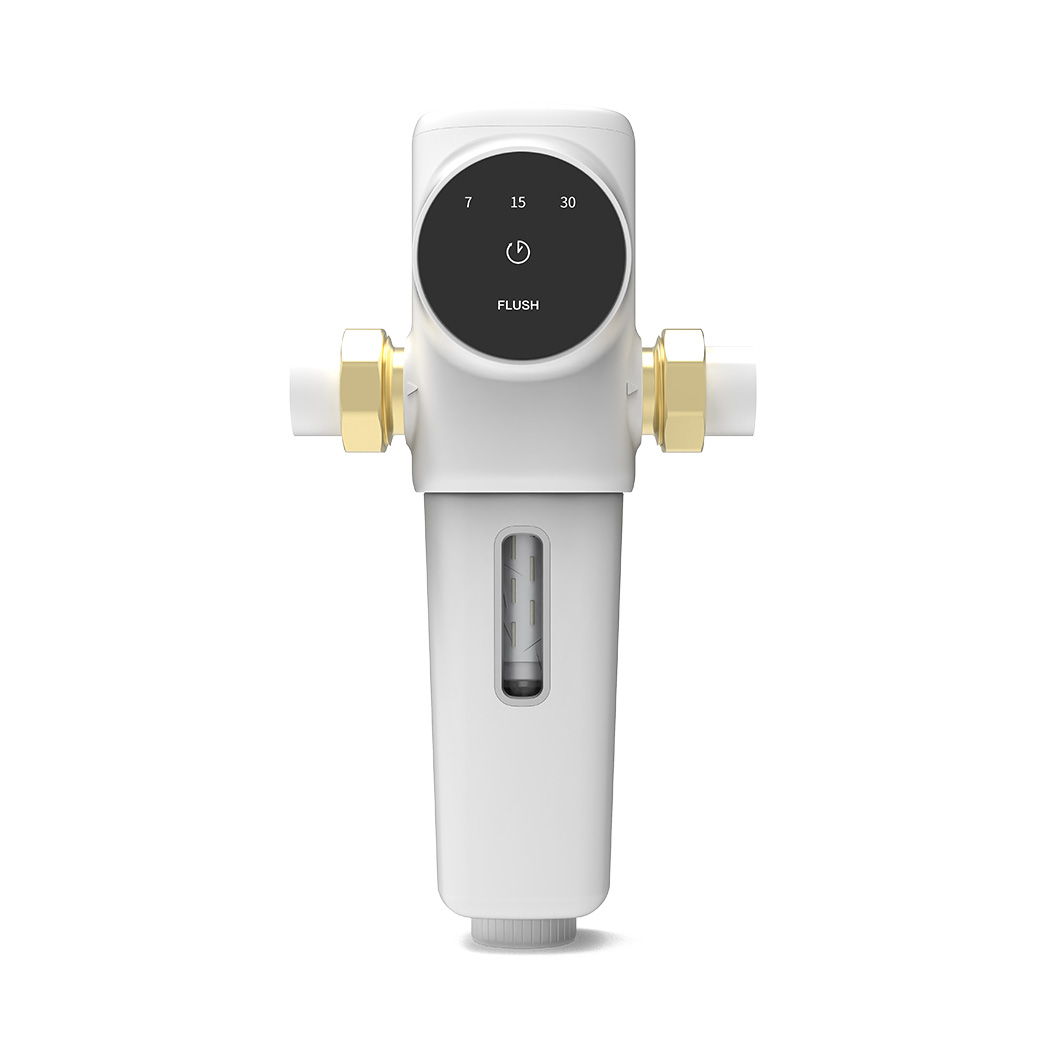
Pre-filter(Automatic)
Customized Whole-house Water Purification Solutions
Design Options - Standard vs. Tailored Models
RO Membrane Filtration - High Precision & Durability
Multi-Stage Filtration - Comprehensive Protection
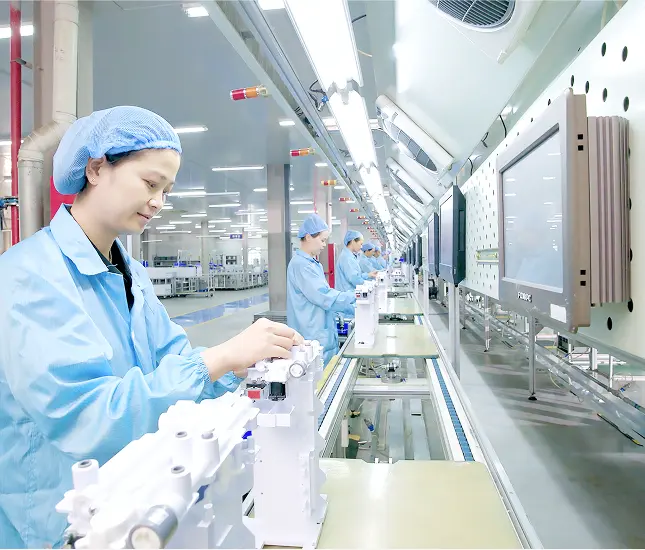
How We Craft Premium Water Purification
Design & R&D
Component Production
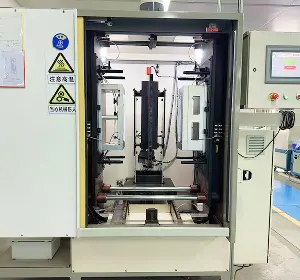
Surface Treatment & Integration
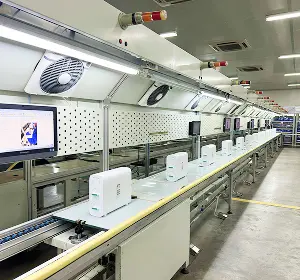
Final Assembly & Certification
Advanced Quality Control & Testing
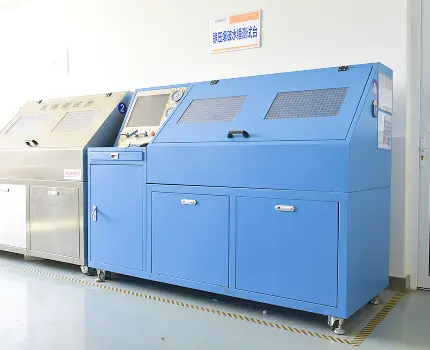
Structure Integrity Test System
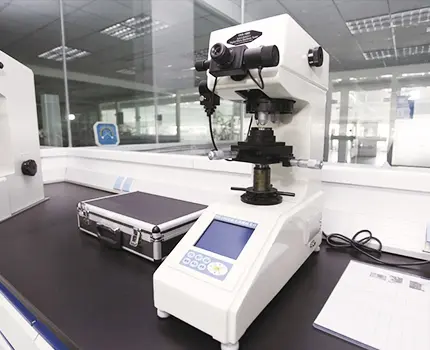
Vickers Hardness Tester
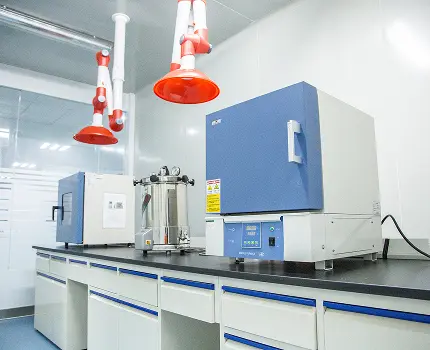
Resistance Furnace & Autoclave
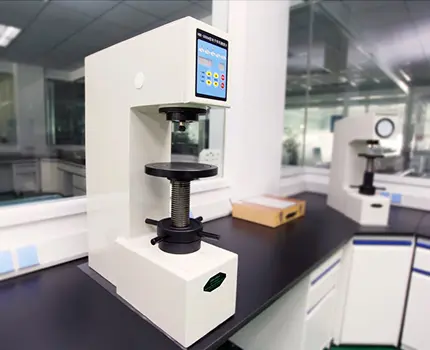
Brinell Hardness Tester
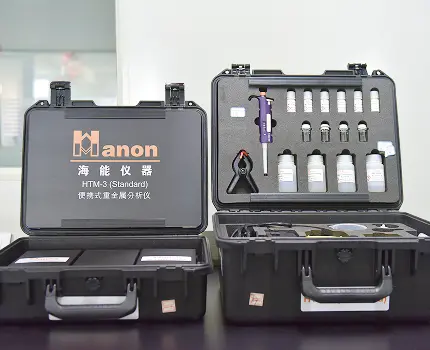
Heavy Metal Analyzer
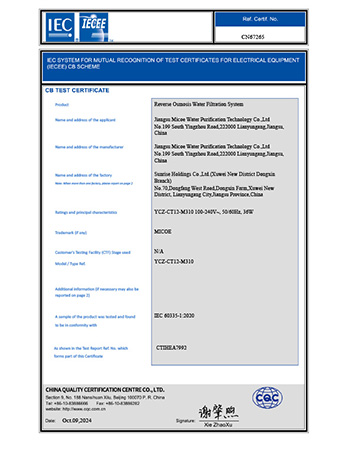
Qualification Certification
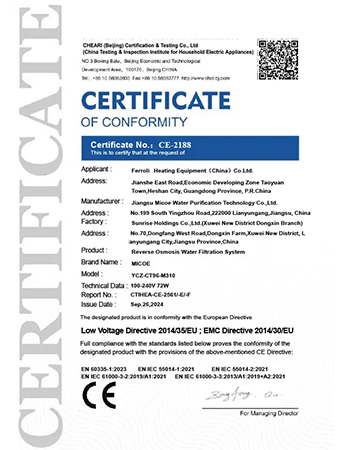
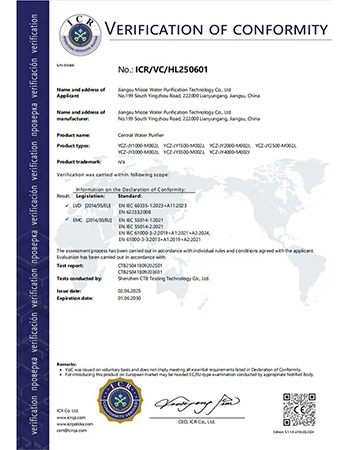
Trusted Water Purification Brands Worldwide
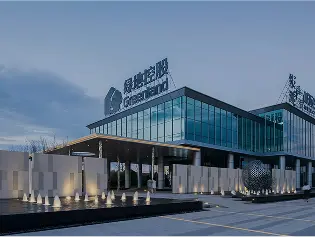

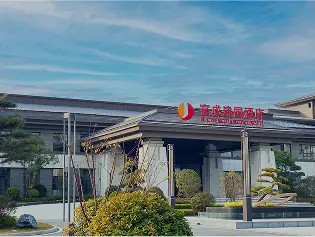




Trusted by






Our Most Frequently Asked Questions
A pre-filter is typically installed after the water meter on the main household inlet pipeline, serving as the first stage of filtration for the entire house’s water supply. When selecting the installation location, ensure:Sufficient space around the filter for easy disassembly, cleaning, and maintenance (leave 20-30 cm of clearance on all sides).A dry environment, away from direct sunlight and heat sources (e.g., radiators, water heaters), to prevent accelerated aging of the mesh and other components.
High-quality stainless steel mesh pre-filters generally have minimal impact on water pressure, with a typical pressure drop of 0.01–0.03 MPa—a change that is barely noticeable during daily use.
However, if the mesh becomes severely clogged with debris and is not cleaned promptly, increased water flow resistance can cause a significant drop in pressure. Regular cleaning of the pre-filter (recommended every 1–3 months, depending on water quality) effectively prevents major pressure issues.
Before initial use, perform a flushing procedure:Set the control valve to “flush mode” and let the machine run its built-in flushing program. This removes residual impurities, debris, and dust from the filter elements and pipelines.The flushing duration varies by product (usually several minutes) — follow the manual’s instructions. Stop when the outflowing water is clear and free of particles.After flushing, switch the control valve to “normal operation mode.” For smart models, set parameters such as time, flushing cycle, and filtered water volume according to the manual to ensure the machine operates as programmed.
Central water softeners primarily remove calcium and magnesium ions from water through ion exchange resin to reduce water hardness, but they cannot remove harmful substances like bacteria, viruses, heavy metals, or organic compounds.
Use for daily tasks: Soft water is suitable for laundry, bathing, cleaning, and other household purposes, as it reduces scale buildup and improves detergent efficiency.Drinking water safety: Soft water is not recommended for direct consumption. For drinking, pair the softener with a reverse osmosis (RO) water purifier or other advanced filtration systems to further purify the water.
Stainless steel mesh pre-filters primarily filter large-particle impurities from water, including:
Sediment, rust, insect eggs, algae, and suspended solids.The filtration precision typically ranges from 40–100 microns, effectively intercepting visible solid contaminants in water.This protects downstream water appliances (e.g., water heaters, washing machines, water purifiers) from mechanical wear, reduces scale buildup, and extends their service life.